
Sedation for anxious patients
Sedation dentists in Utah for calmer dental visits
Find sedation dentists in Utah who offer nitrous oxide, oral sedation or IV sedation. Compare offices by city and sedation level, then reach out to the one that suits you.
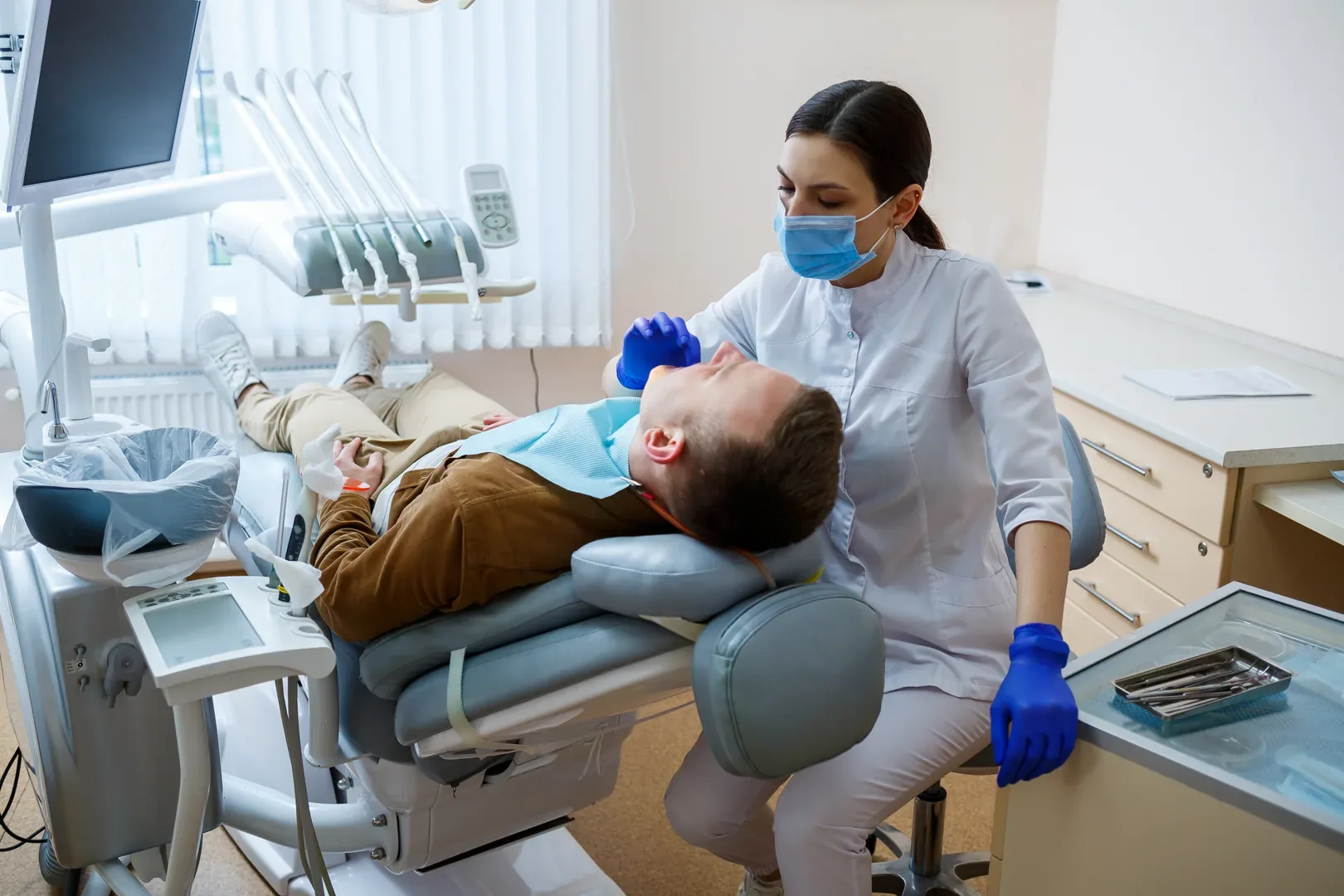
Utah offices that list sedation
9 practices
 Featured
Avenues Dentistry
215 S 1000 E, Salt Lake City, UT 84102
- Cosmetic
- Emergency / Same-Day
- General Dentistry
- +1 more
 Featured
Mountain View Dental Associates
2797 US-89, #201, Pleasant View, UT 84414
- Cosmetic
- Emergency / Same-Day
- General Dentistry
- +1 more
- (801) 631-1312View profile for Care Anesthesia
Care Surgical Anesthesia Utah
151 E 5600 S, Suite 104, Salt Lake City, UT 84107
- General Dentistry
- Oral Surgery / Wisdom Teeth
- Pediatric
- +1 more
(801) 833-0515View profile for Care Surgical Anesthesia Utah- (801) 871-9342View profile for Comprehensive Sedation Dental
- (801) 918-4135View profile for Creek Capital Anesthesia
- (801) 631-1312View profile for Summit Anesthesia
- (404) 416-3905View profile for Toothpillow
- (208) 559-5518View profile for Utah Dental Anesthesia
Search further
Why patients look for sedation dentists in Utah
Fear of the dentist is common, and for some adults it runs deep enough that they skip care for years until a toothache forces the issue. Sedation dentistry uses medicine to relax you while the work is done. It is a different thing from the numbing shot: local anesthetic blocks pain in one spot, while sedation changes how you feel about lying in the chair at all. Most sedated procedures use both together.
Nerves are only one reason people go looking for sedation dentists in Utah. A strong gag reflex, a bad experience in childhood, trouble sitting still for an hour, or a treatment plan that packs several fillings or extractions into one long appointment can each make sedation worth raising with a dentist. For some patients with autism, dementia or a movement disorder, sedation is what makes routine care possible in the first place.
- Dread of needles, drills or the sound of the handpiece that stops you booking
- A gag reflex that makes scans, impressions or X-rays a struggle
- Teeth that still feel sharp pain after the area has been numbed
- Long sessions, such as wisdom tooth removal or several crowns at once
- Back or neck pain that makes reclining for a long stretch hard
- A condition that makes holding still or following directions difficult
Sedation is a medical choice, and it does not suit everyone. Your health history, current medicines and the work planned all bear on whether it makes sense, and on which level a dentist would suggest.

Before agreeing to sedation, ask who will give it and who will watch your breathing while the dentist works.
Who gives the sedation, and the permits behind it
Utah treats deeper sedation as a separate privilege from everyday dentistry. Any dentist may numb a tooth, and many general offices offer nitrous oxide. Giving moderate sedation, deep sedation or general anesthesia requires an additional state permit, granted after extra training, with rules about the staff and emergency equipment that have to be in the room. The permit is tied to the person giving the sedation, so ask the office which of its providers holds one and at what level.
Some practices bring in a dentist anesthesiologist: a dentist who went on to complete a hospital-based anesthesiology residency of at least three years. That person handles the sedation and the monitoring while the treating dentist concentrates on the teeth. Other offices send their deeper cases to an oral surgeon, whose training includes anesthesia, or to a hospital operating room when a patient’s health calls for it.

Nitrous oxide, oral pills, IV sedation and general anesthesia
Nitrous oxide, often called laughing gas, is the lightest option. You breathe it through a small mask over the nose, it takes hold within a few minutes, and it clears quickly once the dentist switches you to pure oxygen at the end. You stay awake and can talk throughout. Adults are often allowed to drive home after nitrous on its own, though the office decides that on the day.
Oral conscious sedation means swallowing a prescribed pill, commonly a medicine from the same family as anti-anxiety drugs, about an hour before treatment. You remain awake and able to answer questions, but most people feel heavy and drowsy and remember little of the visit afterward. Because the pill keeps working for hours, someone else has to drive you both ways.
IV sedation sends medicine through a small line in the hand or arm. Since the dose enters the bloodstream directly, the provider can adjust it minute by minute and take you lighter or deeper as the work requires. Patients often drift in and out and recall almost nothing. General anesthesia goes further still: you are fully unconscious and your breathing may need support, so it is given by an oral surgeon, a dentist anesthesiologist or a hospital team.
Deeper is not automatically better. The lightest level that gets you through treatment comfortably usually carries the least risk and the quickest recovery, and a careful dentist will start the conversation there.
Questions to put to any sedation office
A well-run office expects these questions and answers them without hedging. Note the replies so two practices can be compared fairly.
Monitoring in the chair
Ask what is tracked while you are sedated. For anything beyond nitrous oxide, expect a finger clip for oxygen level, a blood pressure cuff and often a sensor that reads the carbon dioxide you breathe out. Then ask who watches those readings, and whether that person has any other task during the procedure.
Your health review
Sleep apnea, heart or lung conditions, pregnancy, and medicines such as opioids or sleep aids all change how sedation affects you. A good office goes through your full history and medication list at a separate visit, not in the minutes before treatment starts.
Recovery and the trip home
Ask how long you will rest before release and whether an adult has to stay with you for the remainder of the day. Long sedated visits are easier to arrange with a free day ahead, so use the Open Saturdays, Evening Hours, Wheelchair Accessible filters on each city page.
How to prepare for a sedation appointment
The office should hand you written instructions, and they matter more for sedation than for any routine visit. For oral sedation, IV sedation and general anesthesia, you will usually be told to stop eating and drinking several hours beforehand, because an empty stomach lowers the chance of inhaling food or liquid while your reflexes are dulled. Follow the exact times you are given, even if they seem strict.
Bring a complete list of what you take, including vitamins, herbal supplements and cannabis, since several of these interact with sedatives. Wear loose clothes with sleeves that push up easily for the blood pressure cuff and IV. Some offices ask you to skip nail polish on one finger so the oxygen sensor reads cleanly.
- A responsible adult to drive you there and back
- Someone at home with you for the hours after deeper sedation
- No driving, power tools or signing important papers until the next day
- Soft foods and water ready at home for the evening
- Questions about your medicines settled before the day, not in the waiting room
The American Society of Dentist Anesthesiologists publishes patient information on sedation and anesthesia in the dental office, a helpful read before your consultation.
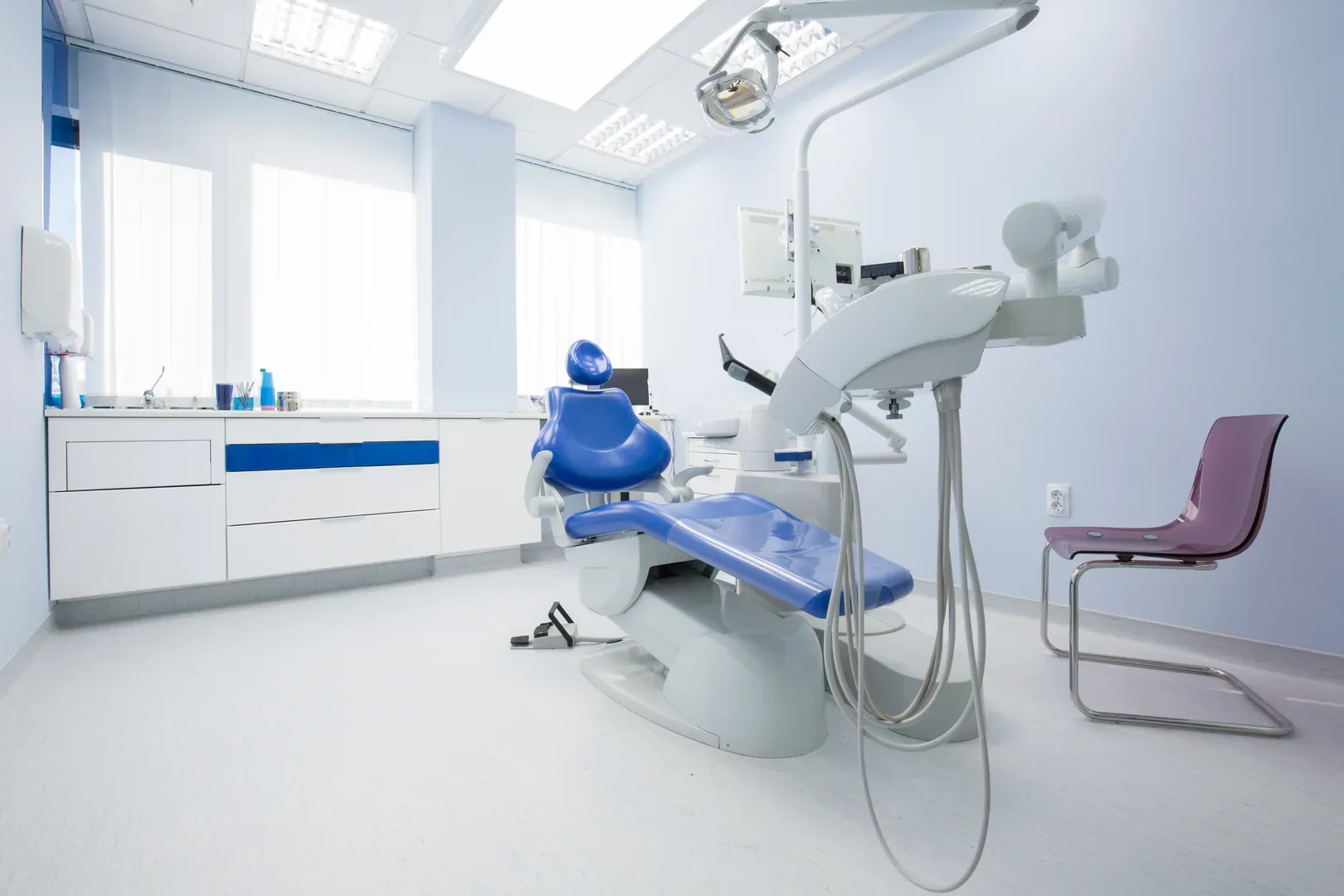
What a sedated dental visit usually involves
Consultation first
The dentist reviews your health and medicines, examines the teeth and explains which level of sedation fits the planned work. This is the time to ask about permits, monitoring and who will be in the room.
Arrival and check-in
Staff confirm you have followed the fasting rules and that your driver is present. Monitors go on, and for IV sedation a small line is placed in the hand or arm.
Treatment
Once the sedation takes effect, the area is numbed and the dental work begins. Your vital signs are watched the whole time, and the dose can be adjusted if you become too alert or too drowsy.
Recovery and release
You rest in the office until you can sit up, stand and respond clearly. Your driver receives the aftercare instructions, since you may not remember them later.

How dental insurance tends to handle sedation
Dental plans vary widely on sedation. Many treat it as a comfort extra for adults and pay nothing toward nitrous oxide or an anxiety pill, while covering IV sedation or general anesthesia when it is tied to oral surgery such as impacted wisdom teeth. Coverage is more common for young children and for patients whose medical condition makes treatment unsafe without it. When a hospital operating room is involved, part of the bill may go to your medical insurance instead.
Sedation is often billed by the length of time you are under, separately from the dental work itself, so a long appointment changes the total. Ask the office for a pre-treatment estimate that shows sedation on its own line, and have it sent to your insurer before the date is set.
City pages let you filter by SelectHealth, EMI Health, PEHP, DMBA, Delta Dental, Cigna, MetLife, Utah Medicaid, In-house Membership Plan. A plan listed on a profile still needs checking with the office, because sedation benefits can differ from the rest of a policy.
Sedation dentistry questions
Sedation is widely used in dental offices, and the main safeguards are a careful health review, the lightest level that does the job and continuous monitoring by trained staff. Every level carries some risk, and that risk grows as sedation gets deeper. Talk through your medical history with the dentist and ask about the monitoring and emergency plans before you agree to a level.
Usually not. With nitrous oxide, oral sedation and most IV sedation you stay conscious and can respond, even if you feel drowsy and later remember little. Only general anesthesia, and the deepest forms of IV sedation, put you fully to sleep.
Yes, though the rules and drug doses for children differ from those for adults, and many dentists prefer nitrous oxide or general anesthesia given by an anesthesia provider over oral pills for young kids. Our pediatric dentists page lists offices that treat children, and you can ask each one how it handles a child who cannot cope in the chair.
Sponsored, Featured and Basic placements are paid, appear at the top and always carry a label; the other sedation offices come after them. Once Google ratings are available, each group follows a review score that weighs the rating against how many reviews support it. Before that, offices with fuller profiles go first, then the rest in A to Z order. The details are on how we rank.
No. Best Dentists in Utah is an online directory and never treats patients or gives medical advice. You contact the sedation practice you choose yourself, and it decides whether sedation suits you. Listings re-sync in small batches, monthly by default, so confirm hours and plans with the office. For a question about a listing, send a note through our contact page.
More Utah dental specialists
Find a sedation dentist near you
Choose your city to see nearby offices that offer sedation, narrow them by insurance and hours, then ask each one which levels of sedation it provides.