
Tooth replacement
Dental implants in Utah, from consult to crown
Looking for dental implants in Utah? Compare the general dentists, oral surgeons, periodontists and prosthodontists who place and restore implants, city by city, then reach out to the office you pick.
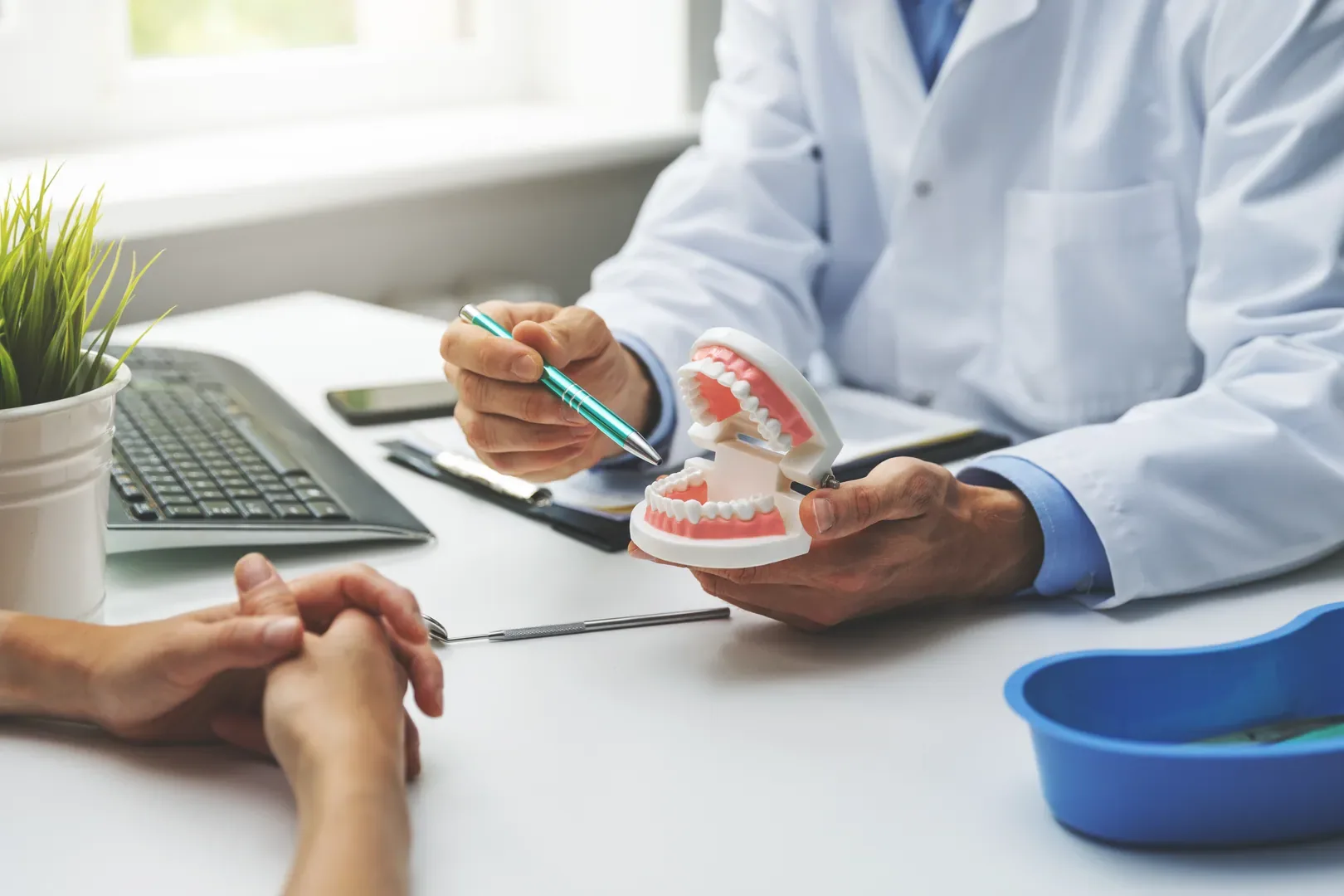
Utah practices that offer implants
Showing 1–20 of 41 practices
Advanced Dental Specialty Group
1838 N 1075 W, #100, Farmington, UT 84025
- Implants
- Orthodontics / Invisalign
(801) 923-1011View profile for Advanced Dental Specialty GroupAffordable Dentures & Implants – Riverdale
4035 Riverdale RD, Suite C, Riverdale, UT 84405
- General Dentistry
- Implants
Affordable Dentures & Implants – West Valley City
2981 S 5600 W, Unit 3, West Valley City, UT 84120
- General Dentistry
- Implants
- (801) 766-6966View profile for Alpen Implants and Periodontics
Alpen Periodontics & Implant Dentistry
3300 North Running Creek Way, Building C SUITE 300, Lehi, UT 84043
- Implants
(801) 766-6966View profile for Alpen Periodontics & Implant Dentistry- (801) 766-4042View profile for Beyond Smiles Family Dental
- (801) 444-2696View profile for C & F Implants
- (801) 475-5577View profile for Cassity Implants & Periodontics
- (801) 859-5680View profile for Chase Inspired Dentistry
- (435) 652-1605View profile for Christopher Rollins, DMD
- (801) 302-8989View profile for Cornerstone Dental
- (435) 753-9470View profile for David W Hinkson DDS Periodontics
Dentistry of West Jordan
6783 S Redwood RD, #201, South Jordan, UT 84084
- General Dentistry
- Implants
- Orthodontics / Invisalign
- +1 more
(801) 969-8200View profile for Dentistry of West JordanDixie Oral, Maxillofacial & Implant Surgery
10 Diagonal St, Suite 204, St. George, UT 84770
- Implants
- Oral Surgery / Wisdom Teeth
- (801) 487-5807View profile for Dr. Melvin K. Knight
- (801) 630-8811View profile for Enovaa Dental Implant Center
- (801) 226-5315View profile for Gordon J. Christensen DDS PHD
- (801) 879-2343View profile for I Smile Implant Centers
Intermountain Dental Associates- Ortho- Cache Valley
2721 N 400 E, Suite 2, North Ogden, UT 84414
- Implants
- Oral Surgery / Wisdom Teeth
- Orthodontics / Invisalign
Intermountain Dental Specialists
2797 N Highway, Suite 200, Pleasant View, UT 84404
- Implants
- Oral Surgery / Wisdom Teeth
- Orthodontics / Invisalign
(801) 782-5682View profile for Intermountain Dental Specialists
Narrow the search
How dental implants in Utah replace a missing tooth
A dental implant is a small post, usually titanium or zirconia, set into the jawbone where a tooth root used to be. Over the following months the bone grows tight against its surface, a process called osseointegration. Once the post is stable, a connector called an abutment is attached and a crown, bridge or denture is fixed on top. The post does the job of the root; the crown is the part you see and chew with.
Because the post sits in bone, an implant loads the jaw much as a natural root does. That matters more than most people expect. Where a tooth is lost and nothing replaces the root, the bone in that spot slowly shrinks, the gum line dips and neighboring teeth can lean into the gap. An implant is the only common replacement that stands on its own without leaning on the teeth beside it.
- One missing tooth, from injury, decay or a failed root canal
- Several missing teeth in a row, replaced with an implant-supported bridge
- A full arch of missing teeth, held by four or more implants
- A loose lower denture that needs something to snap onto
- A front tooth that never developed, a condition some teens and adults are born with
Good candidates are adults whose jaw has stopped growing, whose gums are healthy or have been treated, and whose medical history allows minor oral surgery. Smoking, uncontrolled diabetes and some bone medications lower the success rate, so be open about them at the first visit.

An implant is two jobs: the surgery that sets the post, and the dentistry that builds the tooth on it.
Who places implants, and who restores them
Sometimes one doctor handles both. A general dentist with implant training may place a single post in healthy bone and then make the crown in the same office. Harder cases tend to be split. An oral and maxillofacial surgeon or a periodontist (a gum and bone specialist) places the post and does any grafting, and a general dentist or a prosthodontist, a specialist in replacing teeth, designs the final restoration.
Neither route is wrong. What matters is that the person doing each part does that kind of case often, and that both offices share the plan from the start. Ask who places the implant, who makes the crown, and who you call if something feels off after surgery.
Implant, bridge or denture: weighing the trade-offs
A traditional bridge fills a gap by crowning the teeth on both sides and hanging a false tooth between them. It is quicker than an implant, usually finished in a few weeks, and needs no surgery. The cost to your other teeth is that healthy enamel on the neighbors gets ground down for the crowns, and the bone under the false tooth keeps shrinking.
A removable partial or full denture is the least invasive choice and the easiest to change later. Many people wear one comfortably for years. Others find it shifts when they eat, rubs the gums or needs relining as the jaw changes shape. Implant-retained dentures sit between the two: a few posts give the denture something to clip onto, which steadies it a great deal.
An implant takes longer, involves surgery and usually costs more up front. In return it leaves the neighboring teeth alone, helps hold the bone in place, and with good home care and regular checkups often lasts for decades, though the crown on top may need replacing along the way.
A good implant dentist will talk through all three, not only the one they place most. If the first office you visit only mentions implants, a second opinion is reasonable.
Three checks before you book an implant consult
Implant treatment stretches over months and several visits, so the practice you choose matters more than for a single filling.
Training and case volume
Our listings draw provider type from CMS NPPES NPI Registry (public), CSV/JSON uploads, Google Places API (optional, when a key is configured), Manual ratings entered by admin with a stated source. The NPI record tells you whether someone is registered as a general dentist, oral surgeon, periodontist or prosthodontist. It does not show implant experience, so ask how many implants the doctor places in a typical month and what they refer out.
Coverage and estimates
Dental plans often class implants as major work, with waiting periods, annual maximums or a different benefit level. Filter by SelectHealth, EMI Health, PEHP, DMBA, Delta Dental, Cigna, MetLife, Utah Medicaid, In-house Membership Plan, then ask the office for a written pre-treatment estimate that lists the scan, any graft, the post, the abutment and the crown as separate lines.
Getting there, more than once
Expect a consult, surgery, at least one healing check and a crown fitting, plus a follow-up if a graft comes first. A practice that is easy to reach, or that keeps evening or Saturday hours, makes that schedule far easier to keep. Each city page lets you filter for hours.
Bone grafting and how long treatment takes
An implant needs enough bone, in height and width, to hold it. A 3D cone-beam CT scan at the consultation shows how much is there. If a tooth has been missing for a long time, or was lost to infection or gum disease, the ridge may be too thin and a bone graft comes first. Grafts use processed donor bone, synthetic material or a small amount of your own bone, and the body slowly replaces it with new bone of its own.
In the upper back jaw, the sinus often sits just above the tooth roots. A sinus lift raises the sinus floor and packs graft material underneath to make room for an implant. Grafting adds healing time, often several months, before the post can go in.
Without grafting, a typical single implant runs about three to six months from surgery to final crown, mostly waiting for the bone to bond. Some patients qualify for a same-day temporary tooth on the implant, which covers the gap while healing goes on underneath. Ask whether that is an option for you, and what you would wear in the gap if it is not.
The American Academy of Periodontology has a plain guide to implant and grafting procedures if you want to read ahead of your consultation.
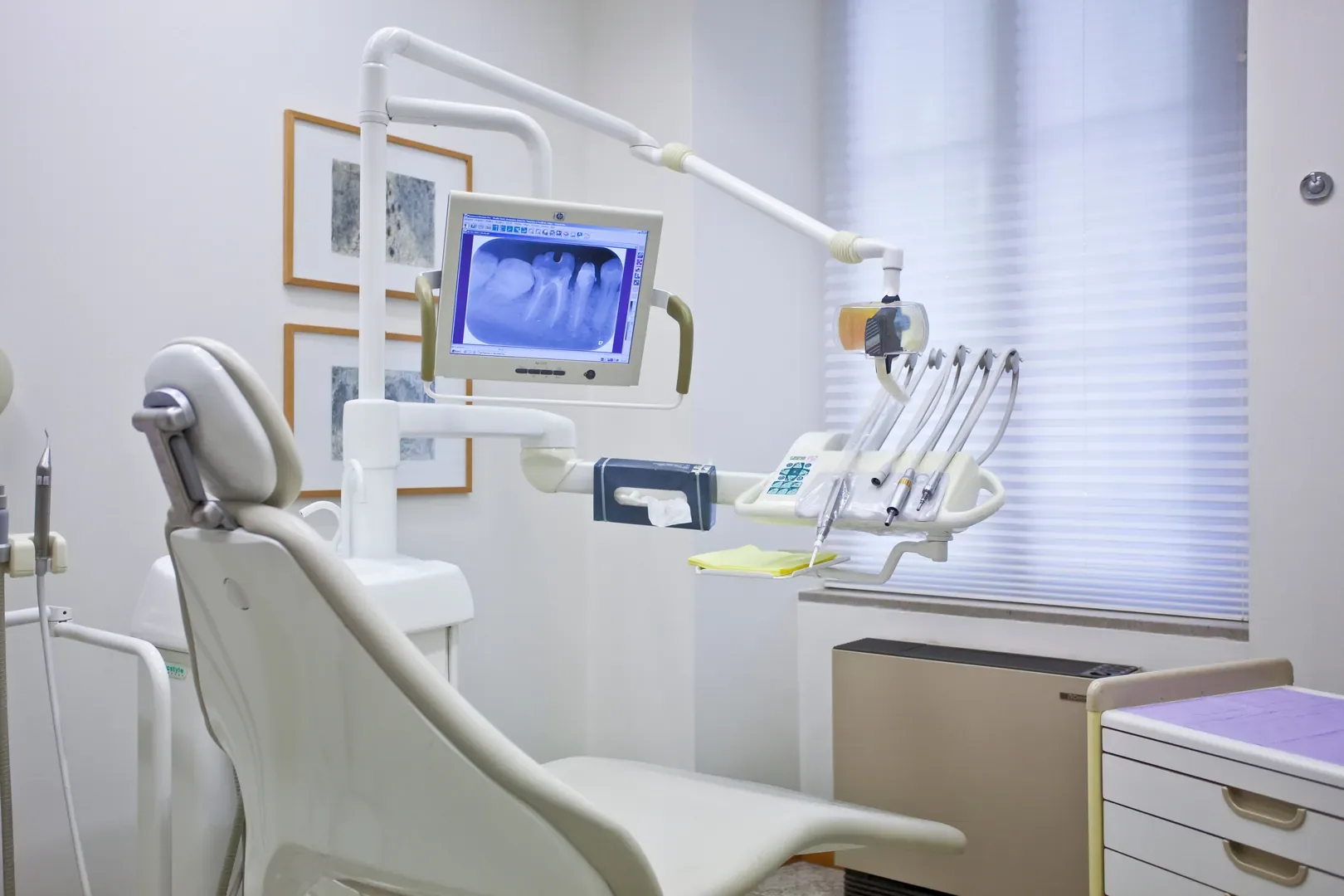
The usual path to a finished implant
Consultation and scan
The dentist reviews your health history, checks the gums and takes X-rays and usually a 3D scan. You leave with a plan, a timeline and an estimate, or a referral to a specialist.
Extraction and grafting, if needed
A damaged tooth is removed, and graft material is placed where bone is thin. Sometimes the implant goes in the same day; often the site heals first.
Placing the post
Under local anesthetic, with sedation if you prefer, the post is set into the bone. Most people return to normal routines within a day or two, with soft foods for a short while.
Healing and the final tooth
Once the bone has bonded, the abutment is attached and a scan or impression is taken. The finished crown, bridge or denture is fitted and the bite adjusted.

Caring for an implant so it lasts
An implant cannot decay, but the gum and bone around it can still become inflamed. The implant version of gum disease is called peri-implantitis, and it is the main reason implants fail after the first year. It starts quietly, with bleeding or puffiness around the crown, and can eat away the bone that holds the post if no one catches it.
Daily care looks a lot like care for natural teeth: brush twice a day, clean between teeth with floss, a water flosser or small interdental brushes, and keep regular cleanings. Hygienists use instruments that will not scratch the implant surface. If you grind your teeth at night, a night guard protects both the crown and the bone under it.
- Bleeding or swelling around the implant crown
- A crown that feels loose or a bite that suddenly feels high
- A bad taste or pus near the implant
- Pain when chewing on that side
Any of these is a reason to see the dentist who placed or restored the implant soon, rather than waiting for the next cleaning.
Common questions about implants
The surgery itself is done under local anesthetic, so you should feel pressure rather than pain. Afterward, most patients describe soreness similar to a tooth extraction for a few days. Offices that offer sedation are listed under our sedation dentists page if anxiety is a concern.
It depends on the plan. Some dental plans cover part of an implant, some cover only the crown, and some exclude implants entirely. City pages filter by SelectHealth, EMI Health, PEHP, DMBA, Delta Dental, Cigna, MetLife, Utah Medicaid, In-house Membership Plan. Ask the practice to send a pre-treatment estimate to your insurer before you commit.
Paid placements go first and always carry a label: Sponsored, Featured, then Basic. The remaining implant practices follow. When Google ratings are available, each group runs by a review score that balances the rating against how many reviews sit behind it; otherwise practices with fuller profiles lead and the rest go alphabetically. Read the full method on how we rank.
Listings re-sync in small batches, monthly by default. Practices can also claim their listing and send updates, which an admin reviews before they go live. Confirm hours and insurance with the office before your visit.
No. Best Dentists in Utah is a directory. It does not treat patients, give clinical advice or book appointments. Use the listings to compare practices, then contact the office directly. For a question about a listing itself, use our contact page.
Other Utah dental specialists to compare
Find an implant dentist near you
Choose your city to see implant practices closest to home, then filter by insurance and hours before you reach out.