
Kids’ dentists by city
Pediatric Dentists in Utah
Pediatric dentists in Utah treat babies, children and teens. Compare kids’ dentists by city, insurance and office hours, then contact the office directly.

Pediatric dentists across Utah
Showing 1–20 of 141 practices
- Featured
Mountain View Pediatric Dentistry
2719 N Highway 89, Suite 200, Pleasant View, UT 84404
- Pediatric
- (801) 262-0807View profile for A Kid’s Place Dentistry
Abc Pediatric Dentistry & Orthodontics
65 N Gateway Dr, Suite 1, Providence, UT 84332
- Orthodontics / Invisalign
- Pediatric
(435) 787-2223View profile for Abc Pediatric Dentistry & OrthodonticsAbundant Dental Care for Children-Sandy
641 W 9000 S, Suite 2, Sandy, UT 84070
- General Dentistry
- Pediatric
(385) 900-5200View profile for Abundant Dental Care for Children-Sandy- (801) 828-0483View profile for Alpine Kids Dentistry
Aspen Heights General and Pediatric Dentistry
10290 N North County BLVD, Suite 101, Highland, UT 84003
- Pediatric
Beckstrom Orthodontics
446 S Mall Dr, Suite 100, St. George, UT 84790
- Oral Surgery / Wisdom Teeth
- Orthodontics / Invisalign
- Pediatric
(435) 673-3334View profile for Beckstrom Orthodontics- (801) 882-8800View profile for Boardwalk Pediatric Dentistry
- (801) 782-3920View profile for Boyd Simkins DDS
- (801) 571-5800View profile for Bright Pediatric Dental
Brightside Oral Surgery
5459 W 7800 S, Suite 100, West Jordan, UT 84081
- Oral Surgery / Wisdom Teeth
- Orthodontics / Invisalign
- Pediatric
(801) 773-8644View profile for Brightside Oral SurgeryBurg Children’s Dentistry & Orthodontics- Cottonwood
7050 S Highland Dr, Suite 110, Salt Lake City, UT 84121
- Orthodontics / Invisalign
- Pediatric
Burg Children’s Dentistry & Orthodontics-Orchard Drive
3377 Orchard Dr, Bountiful, UT 84010
- Orthodontics / Invisalign
- Pediatric
Burg Children’s Dentistry & Orthodontics-Ivory Ridge
3401 N Center St, Suite 250, Lehi, UT 84043
- Orthodontics / Invisalign
- Pediatric
Burg Children’s Dentistry & Orthodontics – Lindon
275 W 200 N, Suite 175, Lindon, UT 84042
- Orthodontics / Invisalign
- Pediatric
Burg Children’s Dentistry & Orthodontics- Park City
1901 Prospector Ave, Suite 26, Park City, UT 84060
- Orthodontics / Invisalign
- Pediatric
Burg Children’s Dentistry & Orthodontics- Lone Peak
1030 E 11400 S, Suite 101, Sandy, UT 84094
- Orthodontics / Invisalign
- Pediatric
Burg Children’s Dentistry & Orthodontics
8822 S Redwood RD, #201, West Jordan, UT 84088
- Oral Surgery / Wisdom Teeth
- Orthodontics / Invisalign
- Pediatric
Burg Children’s Dentistry and Orthodontics
678 East Vine Street, Suite 10, Murray, UT 84107
- Orthodontics / Invisalign
- Pediatric
Find one in your city
What pediatric dentists in Utah do differently
A pediatric dentist finishes dental school and then completes a further two to three years of residency focused on infants, children, adolescents and patients with special health care needs. That training covers child development, behavior guidance, sedation and treating kids in a hospital setting. Many then pass the written and oral exams of the American Board of Pediatric Dentistry and become diplomates of that board.
The office itself is usually built for children: smaller chairs and instruments, staff who explain each step in plain words, and parents often welcome in the treatment room. The clinical work starts with prevention, then moves to repair when it has to.
- First exams for babies and toddlers, including a look at teething and feeding habits
- Cleanings, fluoride varnish and sealants on the chewing surfaces of back teeth
- Fillings and crowns on baby teeth, which hold space for the adult teeth behind them
- Space maintainers when a baby tooth is lost early
- Care for children with autism, ADHD, Down syndrome and other special health needs
- Treatment under sedation or general anesthesia when a child cannot sit through it awake
- Early bite checks and referral to an orthodontist when the jaw or spacing needs it
The American Academy of Pediatric Dentistry recommends a first dental visit by a child’s first birthday, or within six months of the first tooth coming in. Its parent resources at aapd.org explain what happens at that visit and how to care for baby teeth at home.

Baby teeth fall out, but the habits and the fear a child picks up in the chair tend to stay.
Pediatric dentist or family dentist?
Plenty of general dentists see children, and for a calm school-age child with healthy teeth, a family practice that books everyone back to back can work well. A specialist earns its place in a few situations: a baby or toddler’s first visits, a child with several cavities, a child who panics at the dentist, or a child with a medical, sensory or developmental condition that makes a standard visit hard.
Many families use both over time. A child starts with a pediatric dentist, then moves to the family’s general dentist in the teen years. Pediatric practices often keep patients until 18 or the end of high school, so ask about the age they hand patients on.
What happens at a child’s first dental visit
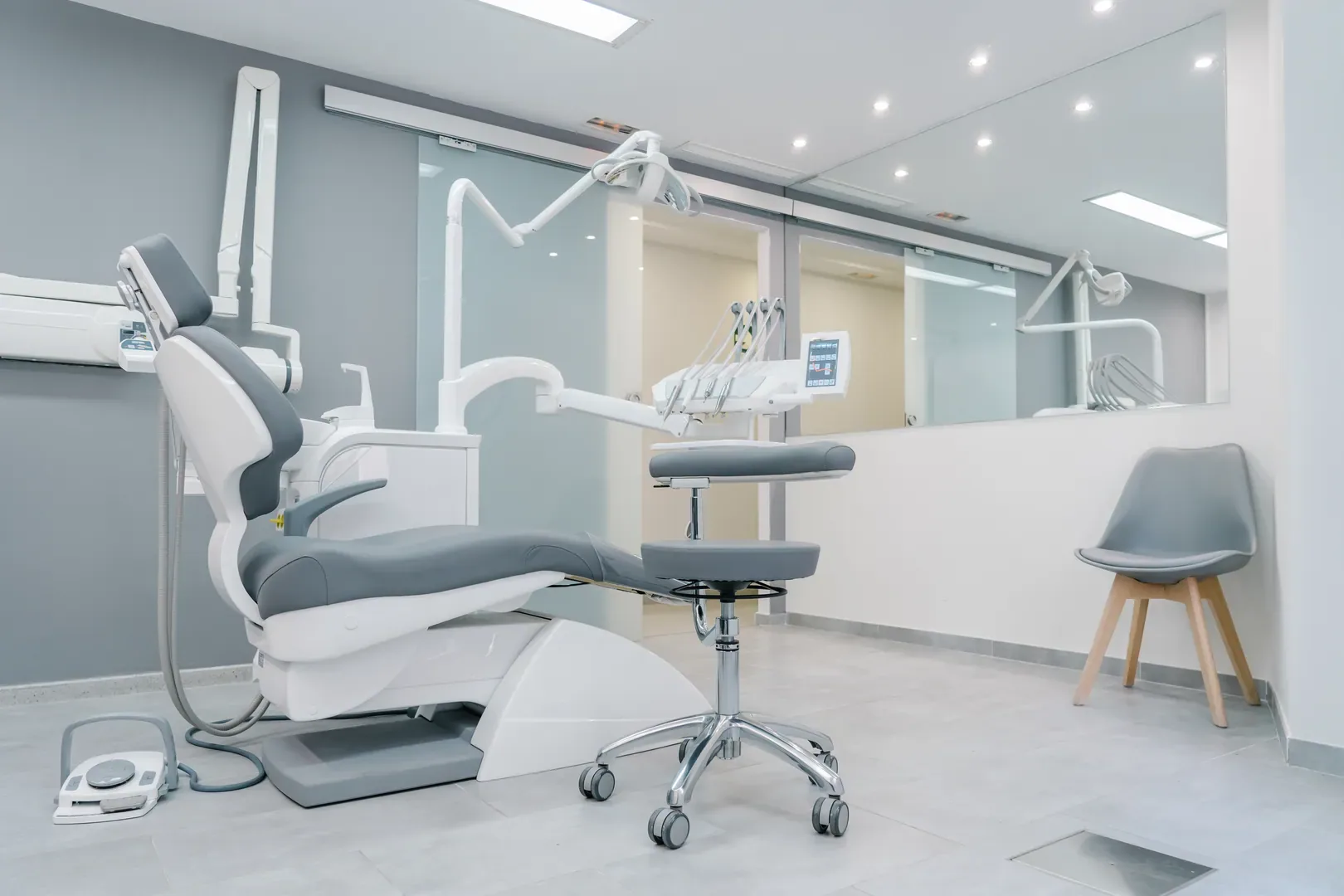
Most pediatric dentists in Utah keep a first visit for a baby or toddler short and low-key. For very young children the exam is often done knee to knee: the child sits on a parent’s lap facing the dentist and leans back so the dentist can see the teeth while the child can still see the parent.
The dentist counts the teeth, checks the gums and bite, looks for early white spots that signal decay, and may paint on fluoride varnish. Much of the visit is a conversation with the parent about the habits that shape a young child’s teeth.
- Bottles or sippy cups at bedtime, and what is in them
- Juice, snacks and how often your child grazes through the day
- Pacifier and thumb habits, and when they start to affect the bite
- How much fluoride toothpaste to use: a smear the size of a grain of rice under age three, a pea-sized amount from three to six
- What to do if a tooth is chipped or knocked loose
Bring a list of medications and any medical history, and plan the visit for a time of day when your child is usually rested and fed.
What Utah parents should weigh
Some things about choosing a children’s dentist are the same everywhere. These come up often for families looking at pediatric dentists in Utah.
No added fluoride in tap water
Utah passed a law in 2025 that ended the addition of fluoride to public drinking water. Ask a pediatric dentist how often your child should have fluoride varnish, and whether a fluoride toothpaste or supplement makes sense at your child’s age.
Medicaid and CHIP for kids
Children covered by Utah Medicaid or CHIP have dental benefits, but not every office takes those plans. Use the Utah Medicaid filter on your city page, then confirm with the office before you book, because networks change.
Booking several children at once
Utah families are often larger than the national average. Ask whether the office books siblings in back-to-back or side-by-side slots, so one trip covers everyone’s six-month checkup.
Mouthguards for mountain sports
Skiing, snowboarding, mountain biking and youth football all put front teeth at risk. A custom-fitted mouthguard from the dentist usually fits better than a store-bought one, and a pediatric office can refit it as the mouth grows.
Sedation and hospital dentistry for children
Some children cannot sit through treatment awake: a toddler with several cavities, a child with severe anxiety, or a child with a developmental condition that makes a long visit unworkable. Pediatric dentists are trained in behavior guidance first and sedation second, and they decide case by case which level fits.
The options run from nitrous oxide, which wears off within minutes, to oral sedation and, for bigger cases, general anesthesia given in a hospital or surgery center with an anesthesiologist. Utah dentists need a separate state permit to provide deeper sedation, so ask which permit the dentist holds and who monitors your child while they are sedated.
- Which kind of sedation is proposed, and why it fits this treatment
- Who gives the sedation and who watches breathing and oxygen levels
- Fasting rules before the appointment
- How long recovery takes and when your child can eat again
How to pick a pediatric dentist for your child
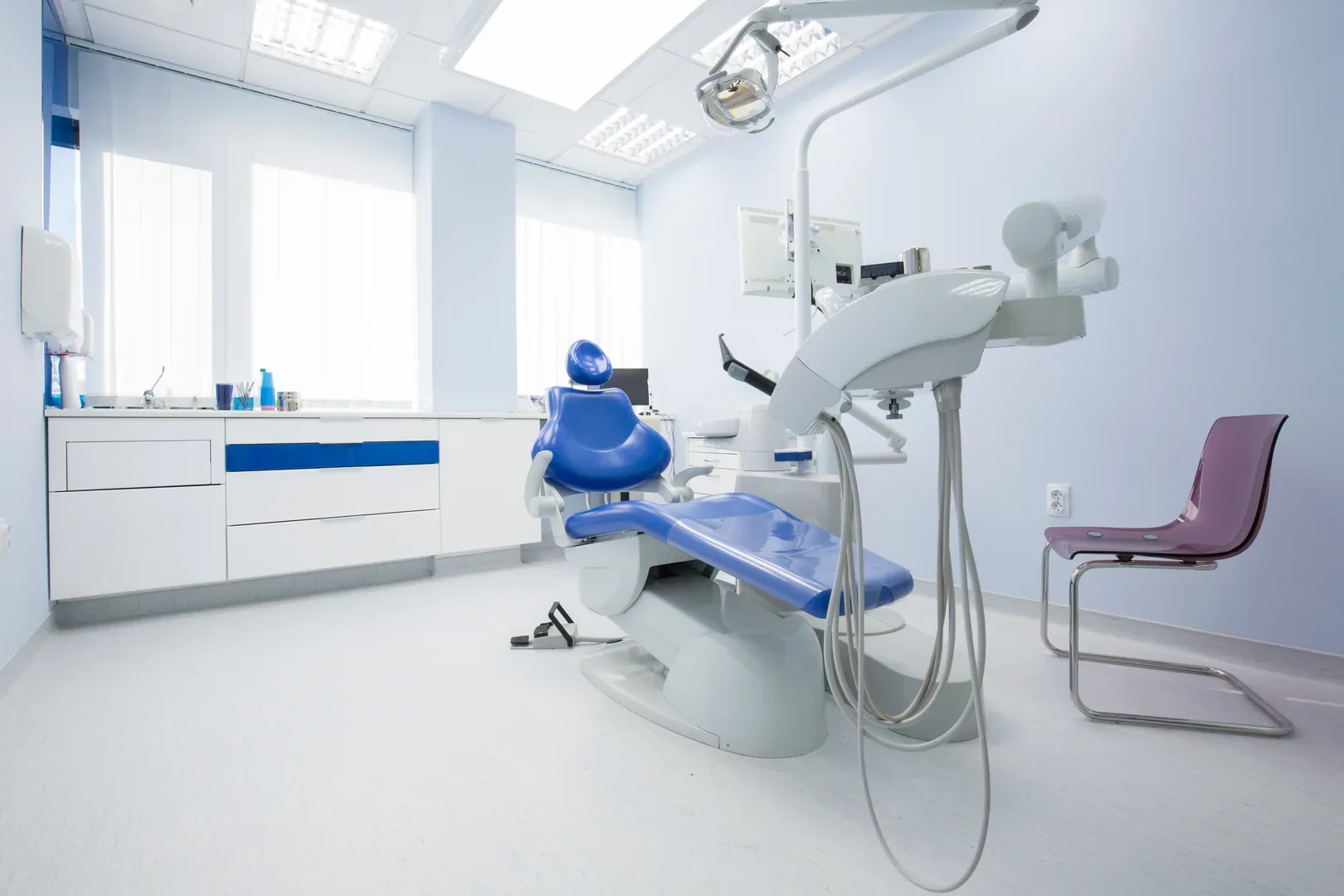
Confirm the training and the license
Check that the dentist completed a pediatric residency, and ask whether they are a diplomate of the American Board of Pediatric Dentistry. Every Utah dentist must hold a state license; you can look one up on the Utah Division of Professional Licensing site.
Ask how they handle a nervous child
Good answers describe tell-show-do explanations, short first visits, and when nitrous oxide or deeper sedation is offered. Ask who gives the sedation and what monitoring is used.
Check insurance and scheduling
Filter by your plan, then call the office to confirm it. Ask how far out new-patient visits are booked and whether there are after-school or Saturday times.
Ask about urgent care
Find out what the office does when a child chips a tooth after hours or wakes up with a swollen face. Some keep same-day slots; others refer to an emergency dentist.
Read the reviews from other parents
Look for reviews that mention children of a similar age or with a similar need, and for how the office responds when something went wrong.
Questions parents ask about pediatric dentists in Utah
The American Academy of Pediatric Dentistry recommends a first visit by age one, or within six months of the first tooth. That visit is usually short: a look at the teeth and gums, a talk about brushing, bottles and snacks, and sometimes fluoride varnish.
We don’t publish fees, and prices vary by office and by plan. Most dental insurance treats a pediatric dentist the same as any other in-network dentist for routine care. Ask the office for an estimate and check your plan’s coverage before treatment.
Pick your city, then narrow the list with the insurance filter. Utah Medicaid is one of the options, alongside SelectHealth, EMI Health, PEHP, DMBA, Delta Dental, Cigna, MetLife and in-house membership plans. A quick call to the front desk is still worth it, since a plan can drop a provider mid-year.
Paid Sponsored, Featured and Basic spots appear at the top and are marked as paid; all other pediatric practices come after them. If Google ratings are connected, each group is sorted by a score that weighs the rating by its review count, so many solid reviews beat a single perfect one. Without ratings, the most complete profiles lead, followed by the rest in alphabetical order. The full method is on how we rank dentists.
No. Best Dentists in Utah lists practices and shows the order it puts them in, but it never treats children or steers families to one office. You choose a practice and reach out to it yourself. If a listing looks wrong, tell us through the contact page.
Other dentists families often need
Find a pediatric dentist near home
Pick your city to see pediatric practices with their hours and insurance plans, along with patient ratings when those exist, then reach out to the office you like.