
Orthodontics and Invisalign
Orthodontists in Utah for braces and aligners
Compare orthodontists in Utah by city and insurance, then contact the practice yourself about braces, clear aligners or a first check for your child.
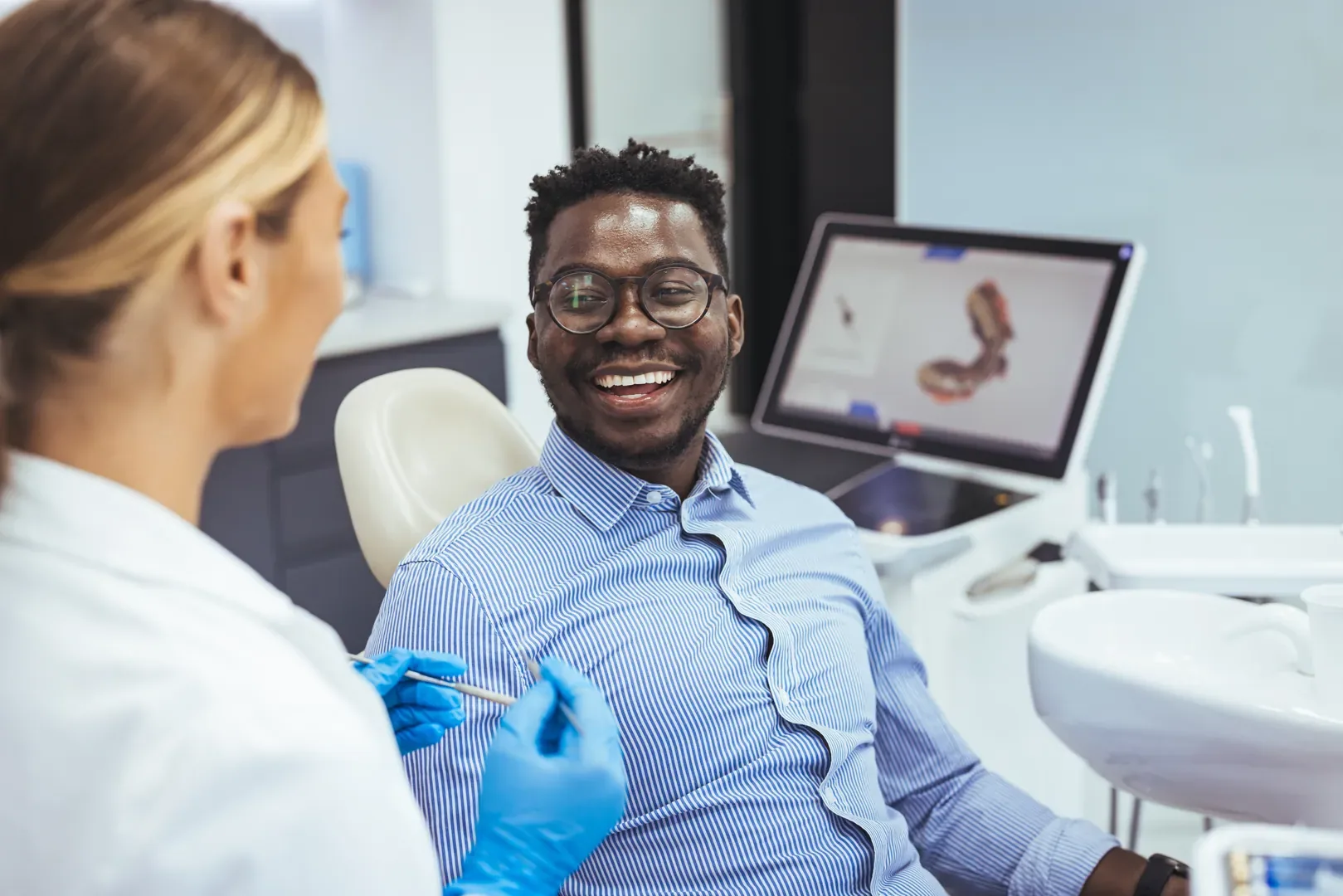
Orthodontic practices listed across Utah
Showing 21–40 of 142 practices
Burg Children’s Dentistry & Orthodontics – Lindon
275 W 200 N, Suite 175, Lindon, UT 84042
- Orthodontics / Invisalign
- Pediatric
Burg Children’s Dentistry & Orthodontics- Park City
1901 Prospector Ave, Suite 26, Park City, UT 84060
- Orthodontics / Invisalign
- Pediatric
Burg Children’s Dentistry & Orthodontics- Lone Peak
1030 E 11400 S, Suite 101, Sandy, UT 84094
- Orthodontics / Invisalign
- Pediatric
Burg Children’s Dentistry & Orthodontics
8822 S Redwood RD, #201, West Jordan, UT 84088
- Oral Surgery / Wisdom Teeth
- Orthodontics / Invisalign
- Pediatric
Burg Children’s Dentistry and Orthodontics
678 East Vine Street, Suite 10, Murray, UT 84107
- Orthodontics / Invisalign
- Pediatric
- (801) 747-7895View profile for Burg Orthodontics
- (435) 632-9742View profile for Burke Orthodontics
- (801) 510-8584View profile for Call Orthodontics
- (801) 544-1184View profile for Cameron Orthodontics
- (860) 481-7631View profile for Candid Utah
- (801) 704-9786View profile for Canyon Creek Orthodontics
- (435) 865-9111View profile for Cedar Smiles
Centerville Dental Group and Orthodontics
331 W Parrish LN, Suite 101, Centerville, UT 84014
- General Dentistry
- Orthodontics / Invisalign
Christensen Orthodontics
10393 S Temple Dr, Suite 100, South Jordan, UT 84095
- Orthodontics / Invisalign
(801) 618-2800View profile for Christensen Orthodontics- (801) 546-0892View profile for Clark B. Rampton, D.D.S.
Clinton Dental Group and Orthodontics
1737 North 2000 West, Suite G, Clinton, UT 84015
- General Dentistry
- Orthodontics / Invisalign
(801) 728-9000View profile for Clinton Dental Group and Orthodontics- (801) 544-9191View profile for Couser Orthodontics
- (801) 773-5836View profile for Craig L. Coombs D.D.S.
Creek Dental Group- Hunter Park
2792 S 5600 W, West Valley City, UT 84120
- General Dentistry
- Oral Surgery / Wisdom Teeth
- Orthodontics / Invisalign
- +1 more
(801) 969-9669View profile for Creek Dental Group- Hunter ParkCreek Road Orthodontics and Pediatric Dentistry
7410 Creek RD, Suite 200, Sandy, UT 84093
- Orthodontics / Invisalign
- Pediatric
Keep browsing
What orthodontists in Utah treat, and when to go
An orthodontist moves teeth and guides jaw growth. The work goes past straightening a crooked front tooth: crowding, gaps, overbites, underbites, crossbites and open bites all change how teeth meet, how they wear down and how easy they are to keep clean. Your general dentist usually spots the problem first during a checkup and suggests an orthodontic consultation.
Age is less of a limit than many people think. Children are often seen early so the orthodontist can watch jaw growth while it is still under way, and teens make up the bulk of braces patients. Adults are a growing share of patients at orthodontists in Utah and elsewhere, often for crowding that crept back after braces in their teens or for bite problems that never got treated.
- Teeth that overlap, twist or sit far apart
- Upper teeth that cover the lower ones too much, or sit behind them
- Baby teeth lost very early or very late
- Trouble biting into food, or a jaw that clicks or shifts
- Mouth breathing, or a thumb habit past the preschool years
- Crowding that returned after earlier treatment
None of these signs means treatment is certain. A consultation is how you find out whether the bite needs work now, later or not at all. The American Association of Orthodontists, the specialty’s professional body, publishes plain-language guides to common bite problems if you want to read up before the visit.

Ask who will plan your tooth movement, and what training that person has in orthodontics.
Specialist or general dentist for aligners?
Some general dentists offer clear aligners, and for mild crowding that can work well. An orthodontist is a dentist who went on to a full-time residency in orthodontics after dental school, so complex bites, jaw growth in children and cases that mix braces with surgery belong with a specialist. When a case is borderline, a second opinion from an orthodontist costs you an appointment, not a year of treatment.
What shapes the fee for orthodontic treatment
Orthodontic fees are usually quoted as one total for the whole treatment rather than visit by visit. The main drivers are how far the teeth have to move, how long that takes, the appliance chosen (metal, ceramic or lingual braces, or aligners) and whether a child needs an early phase now and a second phase later. Extra steps such as extractions, jaw surgery or a palatal expander add to the total.
Many orthodontists in Utah offer monthly payment plans spread across the treatment, and orthodontic care is generally an eligible expense for health savings and flexible spending accounts. Comparing two quotes only works when both cover the same things.
- Records, X-rays and scans at the start
- Repairs for broken brackets or lost aligners
- Refinement aligners if teeth stop tracking
- The first set of retainers, and the cost of replacements
- Follow-up visits after the braces come off
A lower quote that leaves out retainers or refinements can end up as the higher one.
How to compare orthodontists in Utah
Two practices can propose very different plans for the same smile. These three checks make the comparison between orthodontists in Utah a fair one.
Specialty training
Our listings take specialty from each provider’s NPI taxonomy, the code a practice reports to the federal registry. Ask the office whether the doctor finished an orthodontic residency, and whether they are a diplomate of the American Board of Orthodontics, an optional exam that some orthodontists choose to take.
Orthodontic benefits
Many dental plans cover orthodontics separately from cleanings, often with a lifetime maximum and an age limit. Filter by plans common here, such as SelectHealth, PEHP, DMBA or Utah Medicaid, then ask the office to check your benefit before treatment starts.
Appointment hours
Braces and aligners mean regular check-ins for a year or more. An office with evening or Saturday slots saves a lot of missed school and work across that stretch, so use the convenience filters on each city page.
Braces or clear aligners such as Invisalign
Traditional braces use brackets bonded to each tooth and a wire that the orthodontist adjusts every several weeks. Metal brackets are the sturdiest; ceramic brackets blend in with the teeth; lingual braces sit on the back of the teeth and are hidden from view. Because braces cannot come out, they keep working whether or not the patient remembers them, which is one reason orthodontists often prefer them for younger teens and for difficult tooth movements.
Clear aligners, with Invisalign the best-known brand, are a series of thin plastic trays made from a digital scan of your teeth. Each tray moves the teeth a small step, and you switch to the next one on a schedule your orthodontist sets. They come out to eat and brush, which makes them easier to live with, but they only work when worn most of the day and night. Many cases also need small tooth-colored bumps called attachments bonded to some teeth so the trays can grip.
Either way, the result has to be held in place. Teeth drift after treatment, at any age, so every plan ends with retainers: a thin wire bonded behind the front teeth, a removable tray, or both. Plan to wear one at night for years, and ask each practice how it handles a lost or broken retainer.
From first visit to retainer
Consultation and records
The orthodontist examines the bite and takes X-rays, photos and a scan or impressions of the teeth. Expect to hear what the problem is, the options for fixing it, an estimate of how long it takes and the fee.
Getting braces or aligners
Brackets are bonded in a single visit of an hour or two. Aligner patients pick up their first trays, often with attachments placed the same day. Some soreness for a few days is normal.
Regular adjustments
Visits every several weeks let the orthodontist change wires, add elastics or check that aligners are tracking. Most treatment runs from several months for small corrections to two years or more for complex bites.
Retention
When the teeth reach their planned position, the braces come off or the last tray is done and retainers start. Follow-up visits check that nothing has shifted during the first year.
Questions about Utah orthodontists
The American Association of Orthodontists suggests a first orthodontic check by about age seven. Most children seen that early do not start treatment right away; the visit lets the orthodontist spot jaw or bite problems while growth can still help correct them.
Every orthodontist is a dentist first. After dental school, an orthodontist completes a full-time residency in orthodontics, usually two to three years, focused on tooth movement and jaw growth. A general dentist may offer clear aligners for simple cases, while an orthodontist treats the full range of bite problems.
Paid Sponsored, Featured and Basic listings appear first and always carry a label, and every other orthodontist follows. Inside each of those groups, a review score that weighs the Google rating against its number of reviews sets the order whenever ratings are connected. When they are not, practices with more complete profiles come first, then the rest alphabetically.
Yes. City pages filter by plans common in Utah, including SelectHealth, EMI Health, PEHP, DMBA, Delta Dental, Cigna, MetLife and Utah Medicaid, plus in-house membership plans. Orthodontic coverage is often separate from regular dental benefits, so confirm your orthodontic benefit with the office before you start.
No. Best Dentists in Utah is an online directory. It does not treat patients, give treatment advice or book appointments. You contact the orthodontic practice you choose directly. For a question about a listing, use our contact page.
Other dental specialists in Utah
Find an orthodontist near you
Pick your city to see the orthodontists in Utah closest to you, filtered by insurance and hours. Listings re-sync in small batches, monthly by default.