
Oral and maxillofacial surgery
Oral surgeons in Utah for wisdom teeth and extractions
Find oral surgeons in Utah near your home or your dentist’s office. Compare practices that remove wisdom teeth, take out difficult teeth, place implants and repair the jaw, then get in touch with the surgeon you choose.
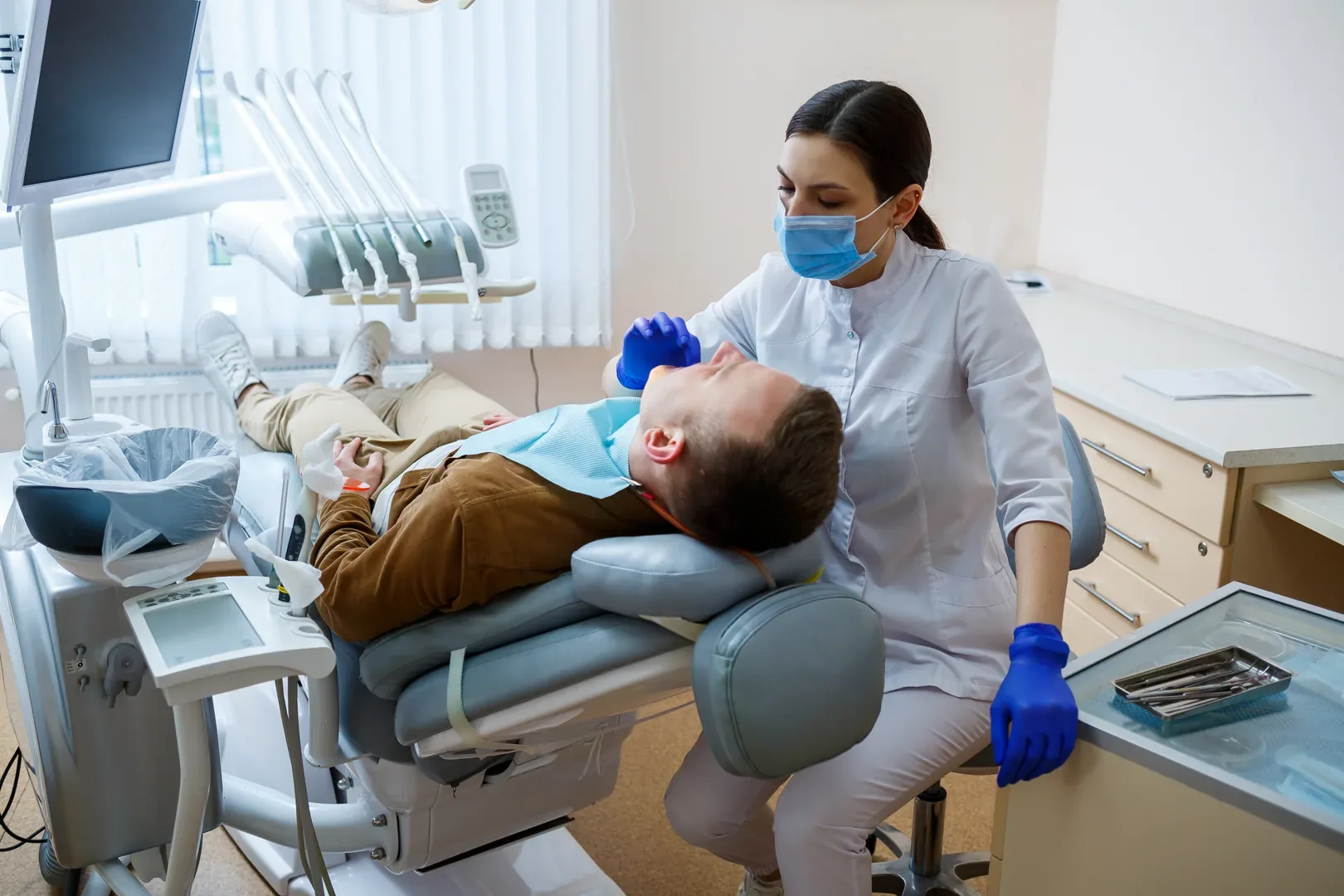
Oral surgery practices around the state
Showing 21–40 of 85 practices
Dr. Urban Facial Surgical Arts
7532 S Center View Ct, Suite 102, West Jordan, UT 84084
- Oral Surgery / Wisdom Teeth
(801) 282-5363View profile for Dr. Urban Facial Surgical ArtsDustin J Hopkin DDS, Oral and Maxillofacial Surgery
2180 E 4500 S, Suite 285, Salt Lake City, UT 84117
- Oral Surgery / Wisdom Teeth
- (801) 886-3379View profile for Easy Wisdom Teeth
- (435) 287-4455View profile for Elevate Oral and Facial Surgery
Families First Oral Surgery
5459 S 7800 S, Suite 100, West Jordan, UT 84081
- Oral Surgery / Wisdom Teeth
(801) 515-5858View profile for Families First Oral SurgeryGreat Smiles Dental Clinic
7410 S Creek RD, #303, Sandy, UT 84093
- General Dentistry
- Oral Surgery / Wisdom Teeth
(801) 642-4080View profile for Great Smiles Dental Clinic- (435) 755-5000View profile for Gregory E. Anderson
- (801) 277-9213View profile for Holladay Dental Studio
Identity Oral Surgery
7138 S Highland Dr, Suite 211, Salt Lake City, UT 84121
- Oral Surgery / Wisdom Teeth
(801) 251-7167View profile for Identity Oral Surgery- (801) 448-0366View profile for In-House Oral Surgery
Intermountain Dental Associates- Ortho- Cache Valley
2721 N 400 E, Suite 2, North Ogden, UT 84414
- Implants
- Oral Surgery / Wisdom Teeth
- Orthodontics / Invisalign
Intermountain Dental Specialists
2797 N Highway, Suite 200, Pleasant View, UT 84404
- Implants
- Oral Surgery / Wisdom Teeth
- Orthodontics / Invisalign
(801) 782-5682View profile for Intermountain Dental SpecialistsIntermountain Oral & Maxillofacial Surgery
6287 S Redwood RD, #103, Taylorsville, UT 84123
- Oral Surgery / Wisdom Teeth
Itooth
181 W Vine St, Suite B, Tooele, UT 84074
- Implants
- Oral Surgery / Wisdom Teeth
- Orthodontics / Invisalign
(435) 882-8800View profile for Itooth- (435) 654-1413View profile for Jerold R Sorensen DDS A Professional
- (801) 479-8200View profile for Jessen OMFS
- (801) 262-7447View profile for Karl E. Lind DDS
- (801) 773-9790View profile for Layton Oral Surgery
Legacy Heights Surgery Center
1379 N 1075 W, Suite 100B, Farmington, UT 84025
- Oral Surgery / Wisdom Teeth
(801) 335-6086View profile for Legacy Heights Surgery CenterLehi Oral & Facial Surgery
2961 W Maple Loop Dr, Suite 130, Lehi, UT 84043
- Oral Surgery / Wisdom Teeth
(580) 695-6280View profile for Lehi Oral & Facial Surgery
Related searches
What oral surgeons in Utah do
An oral and maxillofacial surgeon is a dentist who spent another four to six years in a hospital-based surgical residency after dental school. That training covers the teeth, the jawbones, the joints that hinge the jaw and the soft tissue of the face and mouth. It also includes hospital rotations in anesthesia, which is why surgical offices can offer deeper sedation than most general practices.
For most oral surgeons in Utah, the typical visit is routine and short. Wisdom teeth and other extractions make up a large part of the day, along with implant placement and the bone work that prepares for it. A smaller share of cases are bigger: corrective jaw operations, facial fractures after a crash or a fall, cysts and growths in the jaw, and biopsies of a sore or patch that will not heal.
- Wisdom teeth that are impacted, crowded or partly erupted
- Teeth broken at the gum line or with curved, fused roots
- Bone grafts, ridge preservation and sinus lifts
- Implant posts, from one tooth to a full arch
- Jaw alignment surgery planned with an orthodontist
- Biopsy of a lump, ulcer or color change inside the mouth
The American Association of Oral and Maxillofacial Surgeons, the specialty’s national body, explains each of these procedures for patients and is a good place to read before a consultation.

A referral letter is often a courtesy between offices. Your insurance plan decides whether it is a requirement.
Do you need a referral?
Many people arrive at a surgeon’s office because their dentist or orthodontist sent them, usually with X-rays and a short note about the problem. That handoff saves a repeat scan and gives the surgeon the history up front. Even so, most surgical practices accept patients who book on their own, and plenty of adults go straight to a surgeon for wisdom teeth.
Check the insurance side before you book. Some HMO-style dental and medical plans will only pay a specialist when a referral is on file, while PPO plans usually let you choose. If you self-refer, bring any recent X-rays from your dentist so the surgeon does not have to take new ones.
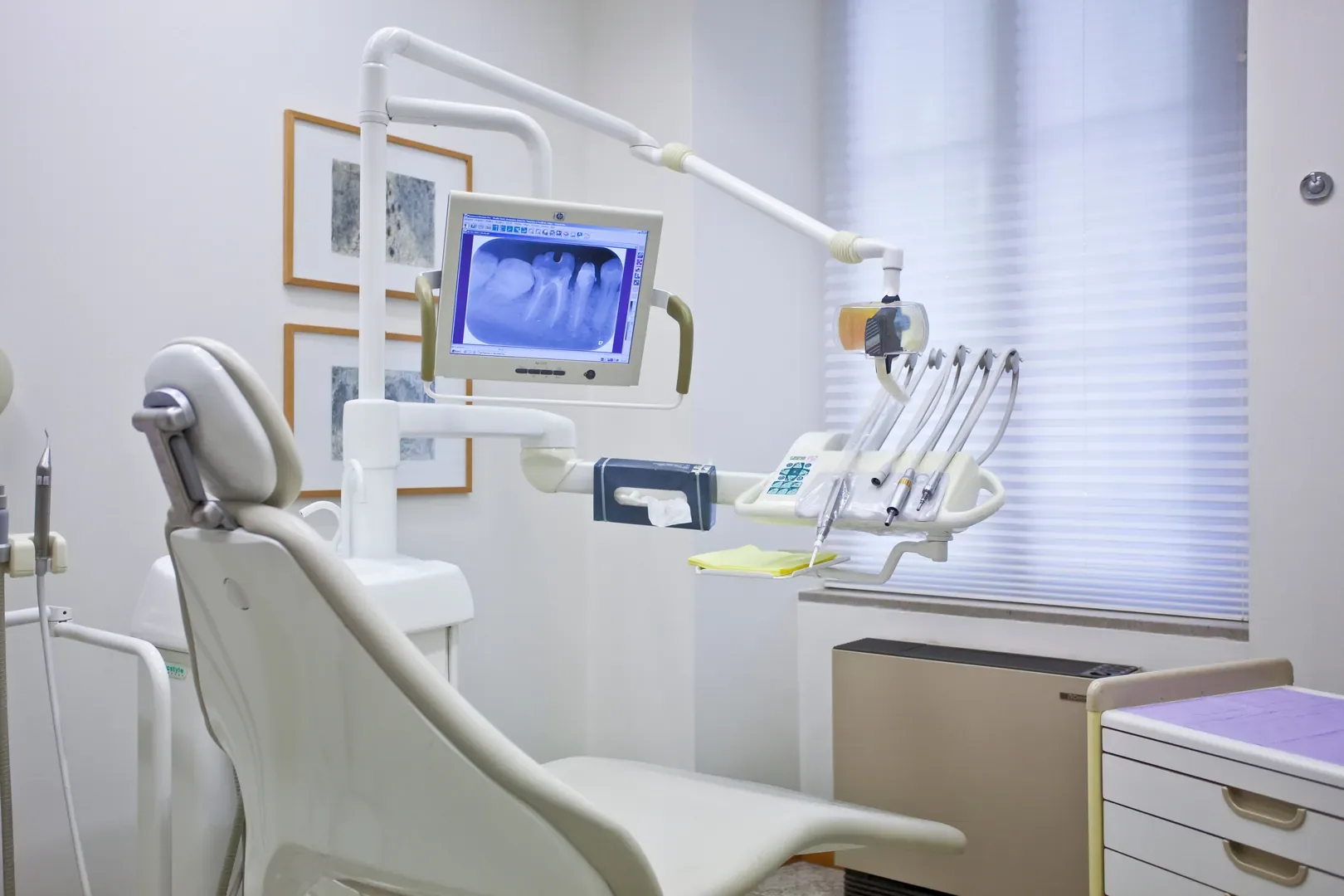
Wisdom teeth: timing and what the X-ray shows
Wisdom teeth, or third molars, usually come in between the late teens and the mid-twenties. Plenty of people have room for them and keep them for life. Trouble starts when the jaw is too short: the tooth gets stuck under the gum or against the molar in front, or it breaks through only partway and leaves a flap of gum where food and bacteria collect.
A panoramic X-ray, and sometimes a 3D cone-beam scan, shows the angle of each tooth, how far the roots have grown and how close they sit to the nerve in the lower jaw. Surgeons often suggest taking problem teeth out in the late teens or early twenties, when the roots are shorter and the bone is softer. Healing tends to be quicker at that age, and the chance of nerve irritation is lower.
Removal is not automatic. A wisdom tooth that is fully erupted, cleanable and in a good bite can stay. One that is buried deep and causing no harm may simply be watched with X-rays every few years. Ask the surgeon which of your teeth fall into which group, and why.
- Swollen, tender gum behind the last molar
- A bad taste or smell from the back of the mouth
- Pain that spreads toward the ear or jaw joint
- Decay on the molar in front that is hard to reach
- A cyst seen on an X-ray around an unerupted tooth
How to choose between oral surgeons in Utah
Surgical offices differ more in hours, anesthesia and billing than in the list of procedures they offer. Use these points to compare oral surgeons in Utah on equal terms.
Specialty on record
Provider details come from CMS NPPES NPI Registry (public), CSV/JSON uploads, Google Places API (optional, when a key is configured), Manual ratings entered by admin with a stated source. The NPI taxonomy shows whether a provider registered as an oral and maxillofacial surgeon or as a general dentist who does extractions. Ask the office where the surgeon trained and whether IV sedation or general anesthesia is given on site.
Plans accepted
City pages filter by SelectHealth, EMI Health, PEHP, DMBA, Delta Dental, Cigna, MetLife, Utah Medicaid, In-house Membership Plan. Surgical claims sometimes go to the medical plan instead of the dental one, so ask the front desk which plan they will bill and request a written estimate before the surgery date.
Scheduling around recovery
Most people take a few days off after wisdom teeth come out, and a driver is needed after sedation. Filters for Open Saturdays, Evening Hours, Wheelchair Accessible help you find a slot that fits school, work or the person driving you home.
Local numbing, sedation and general anesthesia
Every surgical visit starts with local anesthetic, the same numbing a dentist uses for a filling. For a single simple extraction that may be all you need: you stay awake, feel pressure and hear some noise, but no sharp pain. Nitrous oxide, often called laughing gas, can be added to take the edge off and wears off within minutes, so many patients drive themselves home.
IV sedation is the most common choice for wisdom teeth. Medication through a small line in the arm puts you in a relaxed, drowsy state, and most people remember little or nothing of the procedure. General anesthesia goes a step further, to full unconsciousness, and is used for longer or more complex operations, sometimes in a hospital or surgery center rather than the office.
Deeper sedation brings rules of its own. You will usually be told not to eat or drink for several hours beforehand, to arrange an adult to drive you and stay nearby, and to share every medication and health condition at the consultation. Sleep apnea, heart problems and blood thinners all change how the team plans your anesthesia.
If fear of the chair is the main hurdle, our sedation dentists page lists offices that focus on calming nervous patients for everyday care as well as surgery.
What recovery from oral surgery usually looks like
The first day
Bite gently on gauze to slow the bleeding, rest with your head raised and use ice on the cheek in short spells. Take pain medicine on the schedule the surgeon gives you, before the numbness wears off.
Days two and three
Swelling and stiffness usually peak now, then start to ease. Stick to soft, cool foods, skip straws and smoking, and begin gentle salt-water rinses if the surgeon allows it.
The first week
Most people return to school or a desk job within a few days. Watch for a dull, throbbing ache that gets worse around day three or four, a sign of dry socket that the office can treat quickly.
Follow-up
Many offices schedule a short check after a week or two, or remove stitches if they were not the dissolving kind. Bone fills the socket over the following months.
Jaw surgery, implant work and who pays
Corrective jaw surgery, called orthognathic surgery, moves the upper jaw, the lower jaw or both into a better position. It is usually a joint plan: an orthodontist lines up the teeth with braces first, the surgeon repositions the bone in a hospital, and braces finish the bite afterward. People consider it for a severe underbite or open bite, trouble chewing or speaking, or breathing problems linked to jaw position.
Surgeons also place implant posts and rebuild thin bone so an implant has something to hold. In those cases your general dentist usually makes the crown, and both offices share the scans. Our dental implants guide covers that side in more detail.
Billing can be confusing because oral surgery sits between dentistry and medicine. Tooth removal and implants are normally billed to dental insurance. Jaw fractures, biopsies, some jaw joint treatment and corrective jaw surgery are often billed to medical insurance, and impacted wisdom teeth can fall under either depending on the plan. Ask the surgical office to check both of your plans and send a pre-authorization when one is required.
If something about a listing looks wrong, or a practice is missing, tell us through our contact page so the entry can be reviewed.
Questions about oral surgery in Utah
Both finished dental school. An oral and maxillofacial surgeon then completed a hospital-based surgical residency of four to six years, with training in anesthesia. Many general dentists remove simple teeth, while impacted wisdom teeth, complex extractions, jaw surgery and deep sedation are usually handled by a surgeon.
Labeled paid spots come first, in tier order: Sponsored, Featured, Basic. Every other surgical practice follows. If Google ratings are connected, practices within each group are sorted by a score that balances the rating against the number of reviews behind it, so a long, steady record beats a few perfect scores; if not, complete profiles lead and the rest are alphabetical. See how we rank for the full method.
Yes. Each city page filters by SelectHealth, EMI Health, PEHP, DMBA, Delta Dental, Cigna, MetLife, Utah Medicaid, In-house Membership Plan. Because oral surgery may be billed to dental or medical coverage, confirm with the office which plan they will use for your procedure.
Listings re-sync in small batches, monthly by default. Practices can also claim a listing and send corrections, which an admin reviews before anything changes. Hours and accepted plans can shift between updates, so confirm them with the office.
No. We run a listings site for Utah dental practices, and nobody here treats patients, gives medical or dental advice, or schedules visits. Compare practices here, then contact the surgical office you prefer directly.
Other Utah dentists often involved in surgical care
Find an oral surgeon near you
Choose your city to see the oral surgeons in Utah closest to you, narrow them by insurance and hours, and reach out to the one that fits.