
Family and general dentistry
General Dentists in Utah for checkups and everyday care
General dentists in Utah handle the routine side of dental care for the whole household. Find a family or general practice in your city, compare insurance and hours, then book with the office directly.
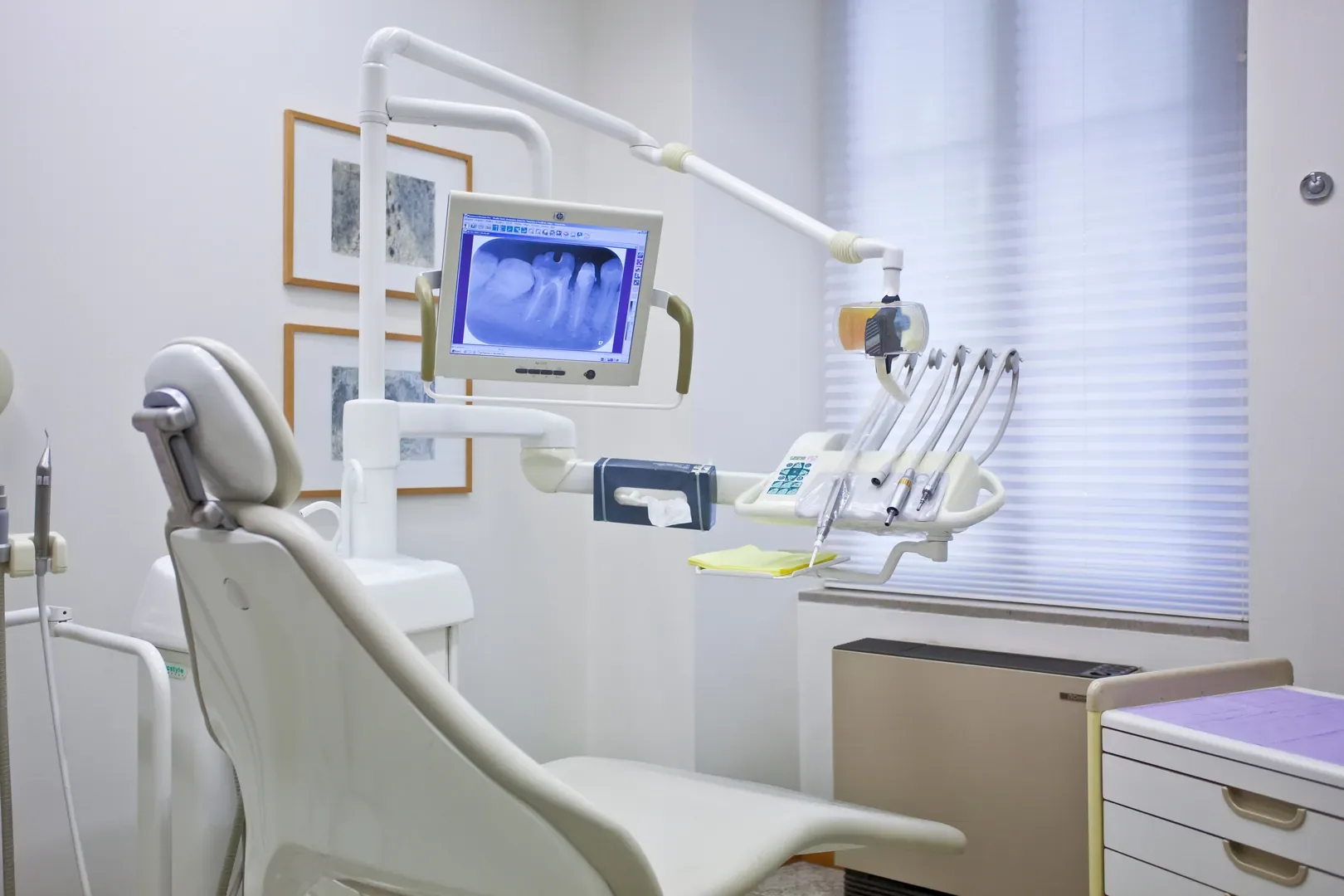
Family and general dental practices in Utah
Showing 261–280 of 462 practices
- (801) 621-4421View profile for Mark A. Nichols, D.D.S.
- (801) 571-8391View profile for Matsumori Dental
- (801) 491-6844View profile for MDG – Mapleton Dental
- (801) 966-8921View profile for Michael B.hill, DDS
- (435) 628-9600View profile for Michael C. Jeppson Dental
- (801) 479-7870View profile for Michael L. Crowton DDS
- (801) 943-1612View profile for Michael Van Leeuwen DMD
- (801) 317-4407View profile for Midland Dental
Midvale Modern Dentistry and Orthodontics
1144 East Fort Union Boulevard, Midvale, UT 84047
- General Dentistry
- Orthodontics / Invisalign
- (801) 486-9434View profile for Millbrook Dental
- (801) 220-0940View profile for Monarch Dental
- (801) 917-1502View profile for Monarch Dental – Riverdale
- (801) 256-3700View profile for Monarch Dental – Sandy
- (801) 561-9999View profile for Morgan and Presley Dental
- (801) 394-5554View profile for Mount Ogden Dental
- (801) 224-7182View profile for Mountain Ridge Dental
- (801) 576-8696View profile for Mountain Valley Dental- Petersen
- (801) 786-0700View profile for Mountain Vista Dental Care
- (435) 635-9471View profile for Mountainview Dental
- (385) 405-7044View profile for Mr. Teeth
Narrow your search
What general dentists in Utah take care of
A general dentist holds a DDS or DMD degree and a state license, and is the first stop for nearly everything that happens in your mouth. No residency is required after dental school, though some general dentists add a one- or two-year general practice residency or advanced education program to build experience with harder cases.
Think of the general dentist as the primary care doctor of dentistry. The job is to keep healthy teeth healthy, catch problems while they are small, repair what can be repaired in the chair, and send you on to a specialist when a case needs more.
- Exams and professional cleanings, usually booked every six months
- Bitewing and panoramic X-rays to find decay between teeth and below the gumline
- Tooth-colored fillings for cavities
- Crowns, bridges and dentures to rebuild or replace damaged teeth
- Root canals on front teeth and many straightforward back teeth
- Simple extractions of teeth that have broken down or cannot be saved
- Treatment for early gum disease, including scaling and root planing
- Night guards for clenching and grinding, and sports mouthguards
The American Dental Association’s consumer site, MouthHealthy.org, explains most of these treatments in plain language and is a good place to read up before a visit.

The best general dentists know which jobs to keep and which to hand to someone who does nothing else all day.
When a general dentist refers you to a specialist
Training and comfort levels vary from one general dentist to the next. One office may place implants and straighten teeth with clear aligners; another sends both out. A referral is a normal part of care, and it usually means the case is better served by more focused training or equipment.
Common reasons to be sent elsewhere include impacted wisdom teeth, a root canal on a molar with curved or calcified canals, advanced gum disease, a crowded or misaligned bite, and a child who needs sedation for treatment. Your general dentist normally stays in charge of cleanings and checkups while the specialist handles the one problem.

What happens at a checkup and cleaning
Most routine appointments start with a dental hygienist. The hygienist scrapes hardened tartar off the teeth, polishes away surface stains, measures the small pockets between gums and teeth, and takes X-rays if they are due. Pockets that read deeper than usual are an early sign of gum disease.
The dentist then comes in for the exam. Expect a look at every tooth for decay and cracks, a check of older fillings and crowns, a quick screening of the tongue, cheeks and throat for anything unusual, and a look at how your jaw opens and how your teeth meet. If something needs work, a good office explains what it found, shows you the X-ray or photo, and tells you how soon it should be done.
- A list of current medications, since some cause dry mouth or affect bleeding
- Your insurance card and the name of the plan holder
- Dates of your last X-rays if you are switching offices
- Any tooth that is sensitive to cold, sweets or biting
Many adults with healthy gums do well on two cleanings a year. People with a history of gum disease are often moved to a three- or four-month schedule, which insurance may treat differently, so ask how your plan handles it.
Practical points for Utah patients
A few details make the search for a general dentist easier, especially if you are new to an area or changing insurance.
Insurance networks differ by office
Utah employers commonly offer plans such as PEHP, SelectHealth, EMI Health, DMBA, Delta Dental, Cigna and MetLife. The insurance filter on each city page narrows the list, but networks change, so confirm with the front desk before your appointment.
Prevention without fluoridated water
Public water systems in Utah stopped adding fluoride after a 2025 state law. Adults prone to cavities can ask their dentist whether a prescription-strength toothpaste or an in-office fluoride treatment makes sense.
Hours that fit a work week
Filters for Saturday and evening hours help when weekday appointments mean time off work. Popular after-work slots tend to book out weeks ahead, so schedule your next cleaning before you leave.
Coverage without a dental plan
Some practices sell an in-house membership that covers cleanings and exams for a yearly fee and discounts other work. Look for the membership filter, then ask the office what the plan includes.
How to choose among general dentists in Utah
Location matters more than people expect. An office near home or work makes it easier to keep twice-yearly appointments, and a practice that sees adults and children together lets a household book in one trip. Use the city pages to see what is close, then sort out the rest with a few questions.
Every dentist practicing in Utah must hold a license from the state. You can confirm a dentist’s license status with the Utah Division of Professional Licensing before your first visit.
- Is the office in network with your plan, and does it file claims for you?
- Does it offer early-morning, evening or Saturday times?
- How soon can a new patient get a first exam?
- What happens if you crack a tooth on a weekend?
- Which treatments does the dentist do in-house, and which are referred out?
- Does it offer an in-house membership plan if you have no insurance?
Switching offices is simpler than many people think. Ask your old practice to send your X-rays and chart to the new one; recent images can often be reused, which spares you another set. General dentists in Utah generally need a signed release from you before records can move, and most offices have a short form for it.
Common questions about general dentists in Utah
Very little. Both hold the same degree and license. A practice that calls itself a family dentist usually sees children as well as adults, so parents and kids can book with the same office. A general practice may focus on adults or accept every age.
Most people are seen for a checkup and cleaning twice a year. Your dentist may suggest more frequent visits if you have gum disease, a history of frequent cavities, or a health condition such as diabetes that affects the gums.
We don’t publish fees, because prices vary from office to office and from plan to plan. Many dental plans cover preventive visits at a high rate and fillings at a lower one. Ask the office for a written estimate and check it against your plan’s benefits before treatment starts.
Paid placements lead and are always labeled: Sponsored, then Featured, then Basic. Every other general dentist follows. Within each group, once Google ratings are available, the order weighs each rating by how many reviews it has, so a long record of good reviews ranks above a handful of perfect ones; until then, fuller profiles come first, then alphabetical order. Our ranking method page explains the formula step by step.
No. Best Dentists in Utah is an online directory, not a dental office, so it does not schedule visits or treat patients. Pick a practice from the list and contact it yourself. If a listing has the wrong details, let us know on the contact page.
Specialists a general dentist may send you to
Find a general dentist close to home
Choose a city to see general and family practices with their hours and accepted insurance, plus ratings where available, then get in touch with the one that suits you.