
Emergency dental care addresses severe toothaches, knocked-out teeth, and acute oral infections requiring treatment within 60 to 90 minutes. In Utah, emergency exams and X-rays typically range from $100 to $250, while surgical interventions or splinting cost more. Hospital ERs can manage pain and infection but cannot restore damaged teeth.
TL;DR
- Re-implant or submerge a knocked-out tooth in cold milk within 60 minutes.
- Emergency exams and X-rays across Utah typically cost between $100 and $250.
- Spreading facial swelling requires immediate intervention to prevent life-threatening airway obstruction.
- Hospital emergency rooms cannot perform restorative dentistry, root canals, or recement crowns.
- Do not place aspirin directly on aching gum tissue to avoid chemical burns.
A sudden, throbbing toothache at midnight, a cracked premolar during a family dinner, or a front tooth knocked out during a weekend rec league game in Sandy can force immediate decisions under intense pressure. Most patients struggle to assess whether a dental issue demands an urgent after-hours clinic, a same-day walk-in appointment, or a scheduled checkup early next week.
Understanding clinical triage standards saves both teeth and thousands of dollars in unnecessary emergency room fees. Hospital emergency departments rarely have licensed dentists on staff and typically provide temporary pain relievers or antibiotics without resolving the underlying structural problem.
This practical guide explains how to identify genuine dental emergencies, manage acute trauma during the critical first hour, navigate out-of-pocket pricing across the Wasatch Front, and protect your oral health when sudden dental pain strikes.
Triage: True Emergencies vs. Urgent Dental Problems
Dentists evaluate acute oral problems by assessing three factors: active bleeding, systemic infection risk, and tissue viability. A true dental emergency involves unmanageable bleeding, acute trauma threatening tooth survival, or spreading facial swelling that could compromise the airway. These clinical scenarios require immediate intervention within 60 to 90 minutes to prevent permanent tissue loss or life-threatening systemic infection.
In contrast, urgent dental problems cause noticeable discomfort or functional disruption but do not pose immediate structural or systemic peril. A lost crown, a mild dull ache triggered only by cold water, or a small chip in enamel that does not expose the pulp chamber can usually wait 24 to 48 hours for an evaluation by general dentists in Utah.
Differentiating between these categories prevents panic while ensuring that high-stakes injuries receive rapid, decisive care before irreversible damage occurs.
Rule of thumb: If facial swelling extends below the jawline or toward the eye, or if an adult tooth is completely displaced from its socket, seek emergency care immediately.
The Critical 60-Minute Protocol for Dental Trauma
When physical trauma knocks out, fractures, or loosens a permanent tooth, your immediate actions dictate whether the tooth can be saved. Periodontal ligament cells covering the root surface begin dying within minutes of exposure to dry air. Quick, precise handling during the first hour dramatically improves re-implantation success rates.
- Locate and handle the tooth only by the crown: Never touch, scrape, or sterilize the root surface. Damaging the delicate periodontal fibers permanently eliminates the chance of natural reattachment to the alveolar bone.
- Rinse gently without scrubbing: If the tooth is visibly soiled with dirt, rinse it for no more than ten seconds under cold running water or sterile saline. Do not use soap, alcohol, or chemical disinfectants.
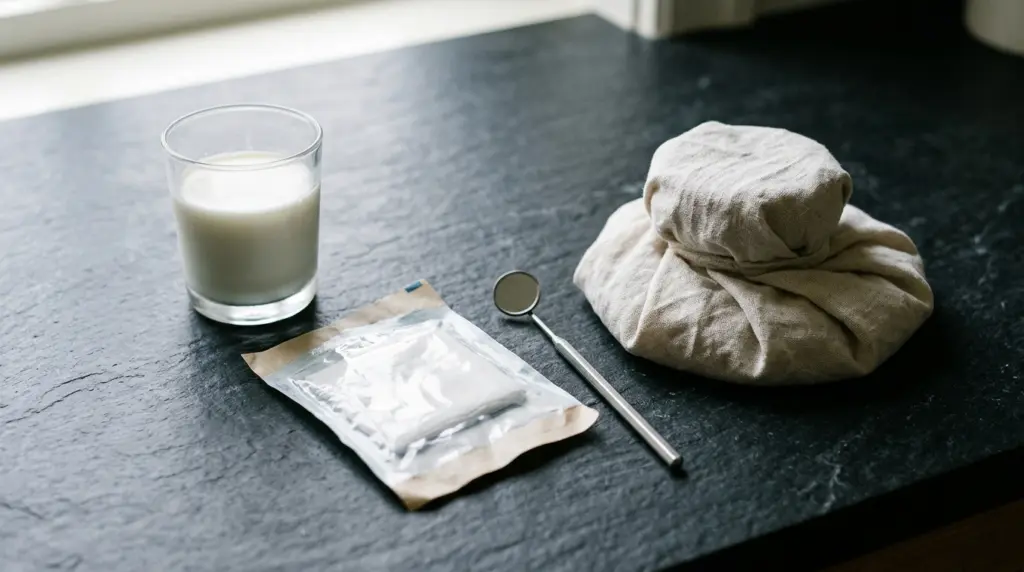
- Attempt immediate reinsertion: When possible, gently slip the tooth back into its socket facing the correct direction and bite down softly on a clean piece of gauze or a damp cloth to hold it in place.
- Store in an appropriate biological transport medium: If reinsertion is impossible, submerge the tooth in cold whole milk or a dedicated pH-balanced preservation solution. Avoid plain tap water, which causes root cells to rupture due to osmotic pressure.
- Seek immediate professional splinting: Reach an emergency clinic or oral surgeons in Utah within 60 minutes for repositioning and flexible wire or composite splinting.
According to the clinical trauma guidelines published by the International Association of Dental Traumatology, teeth replanted within 15 to 30 minutes demonstrate significantly higher long-term survival rates and reduced risks of progressive root resorption.
Dental Infection Risks: When a Toothache Becomes Dangerous
Dental infections originate inside the pulp chamber when bacteria penetrate through deep decay, microcracks, or defective restorations. Left unchecked, the necrotic tissue produces purulent fluid that escapes the tooth apex into the surrounding bone and soft tissues. What begins as localized sensitivity can rapidly evolve into an acute periapical abscess, cellulitis, or Ludwig’s angina.
Warning signs of systemic spread include an elevated body temperature, difficulty opening the mouth (trismus), pain when swallowing, and visible asymmetry across the jawline or cheek. In rare cases, bacteria enter the bloodstream, resulting in sepsis or deep fascial space infections that require inpatient surgical drainage.
The American Dental Association emphasizes that therapeutic antibiotics serve merely as an adjunct to physical drainage or pulpal extirpation, rather than a standalone cure. An infected tooth will not heal with medication alone; the physical source of bacterial colonization must be mechanically cleared through a root canal procedure or complete extraction.
Clinical pitfall: Never place an aspirin tablet or heating pad directly against aching gum tissue. Aspirin causes severe chemical burns on the oral mucosa, while external heat draws infection outward into superficial facial tissues.
Emergency Dental Procedures, Timelines, and Costs in Utah
Emergency dental pricing varies depending on diagnostic requirements, the complexity of the intervention, and whether the provider operates outside standard business hours. Most Utah dental offices charge an emergency evaluation fee that covers the triage exam and focused periapical or panoramic radiographs before proceeding with treatment.
Patients should distinguish between temporary stabilization (such as palliative sedative fillings or incision and drainage) and definitive restoration (such as custom crowns or endodontic therapy). The table below outlines standard procedures, expected treatment durations, and typical out-of-pocket cost ranges across clinics along the Wasatch Front.
| Emergency Procedure | Clinical Objective | Appointment Time | Typical Utah Cost Range |
|---|---|---|---|
| Emergency Exam & PA X-Rays | Locate source of pain and rule out fractures | 20–40 minutes | $100 – $250 |
| Pulpectomy / Palliative Sedative | Excise infected nerve to halt severe pulpal pain | 45–60 minutes | $250 – $500 |
| Simple Tooth Extraction | Remove unsalvageable tooth with intact root | 30–45 minutes | $150 – $350 |
| Surgical Extraction (Sectioned/Impacted) | Elevate fractured root tips or impacted structures | 45–75 minutes | $300 – $650 |
| Incision & Drainage (Abscess) | Evacuate purulent fluid to relieve tissue pressure | 20–30 minutes | $200 – $450 |
| Tooth Re-implantation & Splint | Stabilize avulsed or subluxated adult tooth | 45–60 minutes | $400 – $900 |
| Recement Dislodged Crown | Sterilize and re-bond existing prosthetic crown | 20–30 minutes | $100 – $250 |
Utah dental offices generally provide transparent cost breakdowns before administering non-critical procedures. If you have dental insurance, check whether your policy applies deductibles or requires prior authorization for major restorative interventions such as multi-rooted molars or complex oral surgery.
Find Fast Relief for Dental Emergencies
Best Dentists in Utah connects patients directly with vetted emergency dentists across the Wasatch Front. Compare verified clinics that offer same-day appointments, after-hours care, and transparent pricing. Every listed provider is thoroughly reviewed for state licensure and clinical standing.
Navigating Severe Dental Anxiety During Urgent Visits
Experiencing acute physical pain alongside dental phobia can prevent patients from seeking the immediate treatment they need to preserve a tooth. Delaying care due to fear often turns minor interventions into complex surgical procedures. Modern dental practices offer structured protocols to help anxious patients receive urgent care comfortably.
During emergency evaluations, open communication is essential. Let the clinical team know right away about past traumatic dental experiences, difficulty achieving profound local anesthesia, or panic symptoms. Dentists can stage treatment, establish clear stop signals, and employ profound block anesthesia before beginning any work.
For patients facing severe distress, acute tooth extractions, or invasive restorative work, reviewing options with sedation dentists in Utah can make procedures manageable through nitrous oxide, oral conscious sedation, or IV sedation techniques.
How to Choose an Emergency Dental Provider in Utah
When selecting a provider during an urgent dental situation, prioritize clinical capability, diagnostic technology, and geographic proximity over simple advertising claims. Follow this structured process to choose the most appropriate facility for your specific emergency:
- Assess clinical capability and diagnostic imaging: Verify that the practice utilizes digital periapical imaging and 3D cone-beam computed tomography (CBCT) to detect vertical root fractures and complex apical lesions accurately.
- Confirm emergency availability and same-day capacity: Look for practices that reserve dedicated blocks in their daily schedule specifically for walk-ins and acute emergencies rather than squeezing patients between appointments.
- Evaluate anesthesia and sedation options: If you suffer from dental phobia or require surgical bone removal, ensure the provider holds appropriate permits for nitrous oxide or deeper sedative options.
- Verify financing and fee transparency: Inquire directly whether the office provides clear upfront estimates, accepts your specific PPO network, or offers third-party medical financing like CareCredit.
- Check multi-specialty coordination: Choose a clinic that maintains direct referral relationships with endodontists, periodontists, and hospital surgical suites should your trauma involve complex facial bones.
Public health resources from the Utah Department of Health and Human Services also offer regional directories for sliding-scale and community health clinics for uninsured residents experiencing acute dental pain.
Key Takeaways
- True dental emergencies involve uncontrollable hemorrhage, deep facial swelling, or knocked-out permanent teeth, requiring care within 90 minutes.
- Never transport a knocked-out tooth dry or in tap water; submerge it in cold whole milk or sterile saline to keep root cells alive.
- Hospital emergency rooms can provide temporary systemic pain control or antibiotics, but they cannot restore broken teeth or clear root infections.
- Facial swelling extending below the jaw or toward the eye socket demands urgent clinical drainage to avoid severe airway complications.
- Most emergency visits along the Wasatch Front begin with a focused diagnostic exam and radiograph costing between $100 and $250.
Next Steps for Urgent Dental Symptoms
If you are currently managing acute oral pain, uncontrolled bleeding, or dental trauma, act quickly to stabilize the area using clean gauze and cold compresses. Avoid eating hard foods, applying direct topical pain ointments to open tissue, or exposing the tooth to extreme temperatures. Contact an emergency dental provider near your location immediately to schedule a focused clinical evaluation and protect your smile from long-term complications.
Sources
- International Association of Dental Traumatology iadt-dentaltrauma.org
- American Dental Association ada.org
- Utah Department of Health and Human Services health.utah.gov